Traditional Japanese Gardens in Tokyo
Explore Tokyo's finest traditional Japanese gardens. Ancient landscapes with ponds, stone arrangements, tea houses, and seasonal beauty.
The Timeless Beauty of Japanese Gardens
Traditional Japanese gardens are among the most refined and contemplative art forms in the world. Developed over more than a thousand years, these gardens are not merely decorative spaces but living compositions inspired by nature, philosophy, and poetry. Core design principles include asymmetry, borrowed scenery (shakkei), the use of water to represent oceans and rivers, carefully placed stones that evoke mountains and islands, and plantings that mark the passage of seasons. Whether strolling around a pond, meditating before a dry landscape garden, or enjoying tea in a rustic tea house, visitors to Tokyo's Japanese gardens encounter a profound stillness that feels worlds away from the bustling metropolis just beyond the garden walls.
Shinjuku Gyoen
Shinjuku Gyoen features one of Tokyo's most admired Japanese gardens. Winding paths follow the edge of a large central pond, passing over stone bridges and through groves of maples and azaleas. The garden's design draws on traditional chisen-kaiyu (pond-and-stroll) principles, guiding visitors through carefully composed views that change with every step and every season.

Shinjuku Gyoen
Large imperial garden with Japanese, English, and French landscape styles
Hama-rikyu Gardens
Hama-rikyu Gardens, situated where the Sumida River meets Tokyo Bay, is a tidal garden of extraordinary historical significance. Once a shogunal hunting ground, the garden features a saltwater pond whose water level rises and falls with the ocean tides. A traditional tea house sits on an island in the middle of the pond, offering matcha and wagashi with views that have barely changed in centuries.

Hama-rikyu Gardens
Historic tidal pond garden with traditional tea house and Tokyo Bay views
Rikugien Garden
Rikugien Garden is a masterpiece of the Edo-period daimyo garden tradition. Its name refers to the six principles of waka poetry, and the garden's landscape is designed to evoke 88 famous scenes from classical Japanese verse. A large central pond, thickly wooded hills, and a network of paths create an immersive world that rewards slow exploration. The garden is particularly renowned for its autumn illuminations.

Rikugien Garden
Edo period landscape garden famous for autumn colors and traditional tea houses
Koishikawa Korakuen
Koishikawa Korakuen is Tokyo's oldest surviving garden, completed in 1629. Created by a retainer of the Tokugawa shogunate, the garden incorporates references to famous Chinese and Japanese landscapes, including a miniature replica of the Kiso River and stones arranged to evoke Lake Saiko in Hangzhou. Walking its grounds is like stepping directly into the 17th century.

Koishikawa Korakuen Garden
One of Tokyo's oldest gardens from 1629 with scenic pond and stone bridges
Kiyosumi Garden
Kiyosumi Garden is celebrated for its exceptional stone arrangements. The garden's founder, Iwasaki Yataro of the Mitsubishi empire, collected famous stones from across Japan and placed them throughout the grounds. A series of stepping stones cross the central pond, allowing visitors to walk directly over the water while taking in the garden's refined scenery.
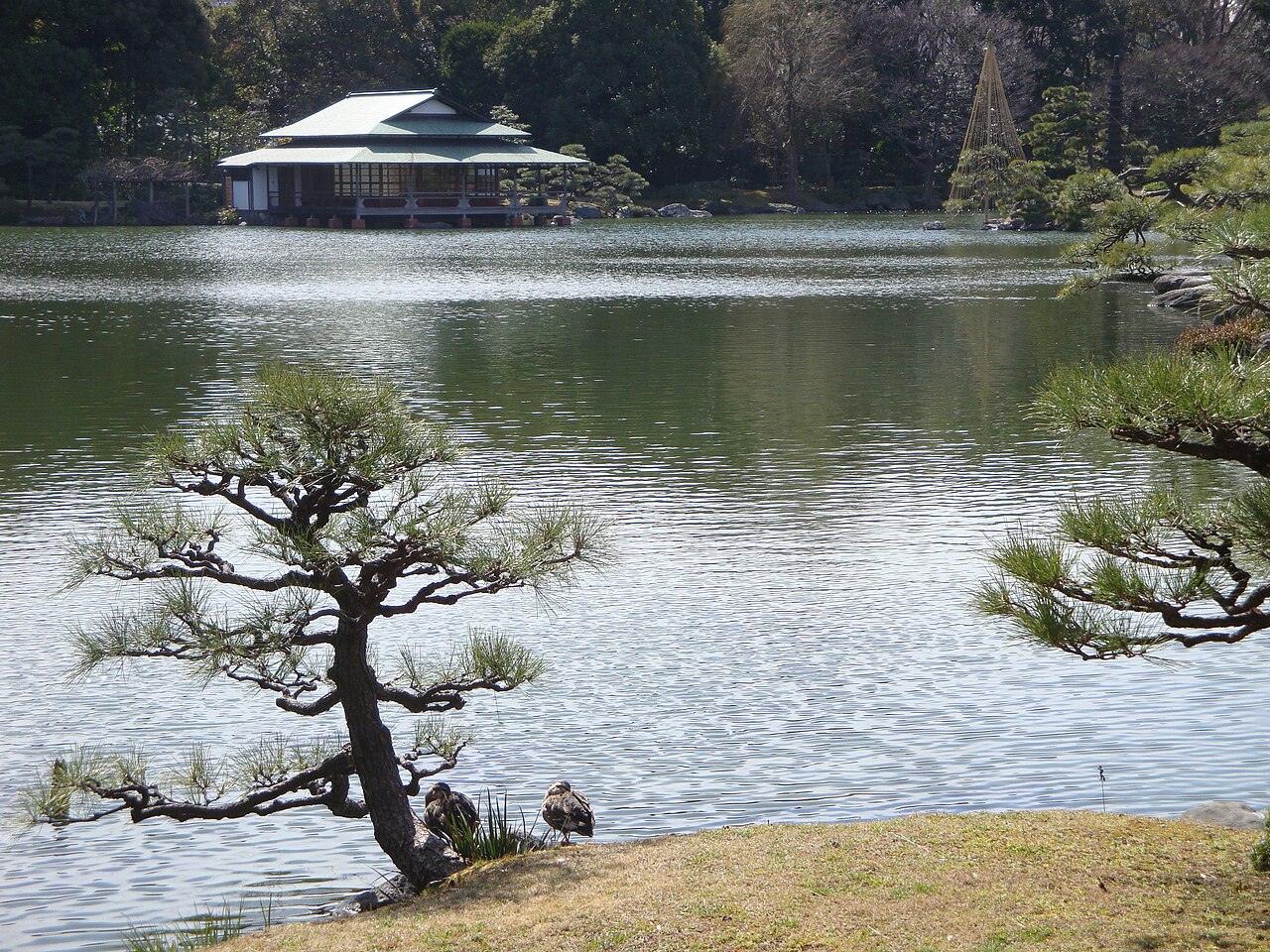
Kiyosumi Garden
Traditional Japanese garden with rare stone arrangements and a serene pond
Kyu Shiba-rikyu Garden
Kyu Shiba-rikyu Garden, located just steps from Hamamatsucho Station, is a remarkably preserved daimyo garden dating to the 17th century. Despite being surrounded by modern office towers, the garden maintains an atmosphere of deep seclusion. Its compact size makes it an ideal stop for travelers short on time who still want an authentic Japanese garden experience.

Kyu Shiba Rikyu Garden
Historic feudal lord garden with tidal pond and iconic pine trees
Mukojima Hyakkaen
Mukojima Hyakkaen, the "Hundred Flowers Garden," was designed to showcase plants referenced in classical Japanese and Chinese poetry. Unlike many Tokyo gardens that emphasize evergreens and water features, Hyakkaen celebrates seasonal blooms — plum blossoms in winter, bush clover in autumn, and dozens of other flowering plants throughout the year.

Mukojima-Hyakkaen Gardens
Last surviving Edo-period flower garden with plum blossoms and wisteria
Tonogayato Garden
Tonogayato Garden in Kokubunji is a hidden jewel built around a natural spring. The garden's terraced design takes advantage of the Musashino Plateau's terrain, with paths descending through maple groves to a serene pond at the base. Its residential setting and modest size give it an intimate, almost private quality.

Tonogayato Garden
Natural valley garden with bamboo groves, pond, and forest walking trails
Get Tokyo park tips in your inbox
Seasonal highlights, hidden gems and event reminders. No spam, unsubscribe anytime.
We respect your privacy.
More Guides
Best Parks for Autumn Foliage in Tokyo
Experience Tokyo's stunning autumn colors. Guide to the best parks for koyo (fall foliage) viewing with maples, ginkgo, and more.
Seasonal Calendar: Best Parks in Tokyo Month by Month
A year-round planner for Tokyo's parks — what to see and where each month, from January plum blossoms to December illuminations.
Accessible and Wheelchair-Friendly Parks in Tokyo
A guide to the most accessible parks in Tokyo — flat paths, paved routes, accessible restrooms and barrier-free gardens for wheelchair users and visitors with mobility needs.